New Mexico is hard on the grid. Monsoon storms, wildfire shutoffs, mountain snow and long rural power lines all cause outages. A portable power station in New Mexico keeps your fridge, well pump, Wi-Fi and medical devices running through them, with no fumes and no noise. Our sunshine also means you can recharge it from solar.
This guide is for homes and travelers across the state, from Albuquerque, Rio Rancho and Santa Fe to Las Cruces, Taos, Ruidoso and the rural ranch country in between. You will learn what causes outages here, how to size a system for a New Mexico home and which of our power stations fits your needs. Want a quick answer? Send us your device list on WhatsApp and we will recommend the right size.
Why New Mexico homes need backup power
The power goes out here for reasons many other states never deal with. These are the four we hear about most.
1. Wildfire safety shutoffs
The 2022 Hermits Peak/Calf Canyon Fire was the largest wildfire in New Mexico’s recorded history. In 2024, the South Fork and Salt fires forced evacuations around Ruidoso. Because of this risk, utilities such as PNM and several rural electric co-ops can now switch off power lines during extreme fire weather. These are often called Public Safety Power Shutoffs. They can be planned with little notice and may last from hours to days.
2. Monsoon storms
From early summer into September, monsoon thunderstorms bring lightning, strong winds and flash floods. Downed lines and lightning strikes are a common cause of summer outages, often just when you need your swamp cooler or fridge most.
3. Winter storms in the mountains
Snow and ice in Taos, Angel Fire, Los Alamos, Chama, Cloudcroft and the East Mountains can take lines down for long stretches. When roads close too, repair crews may be slow to reach you.
4. Long rural power lines
Much of New Mexico is served by long lines across open country. One fault can cut power to many homes, and repairs take longer in remote areas. If your water comes from a private well, an outage also means no running water.
Battery power or a gas generator?
A gas generator runs as long as you have fuel, but it has to stay outside because of carbon monoxide. It is also loud, and it needs regular care. In fire country, hot exhaust and stored fuel are another worry.
By contrast, a battery power station makes no exhaust. You can use it indoors, right beside the fridge or the bed. It starts instantly, runs quietly and pairs with solar panels. As a result, it suits casitas, apartments, home offices and bedrooms with medical devices.
The trade-off is finite stored energy. That is why sizing matters, and why New Mexico’s sunshine is such an advantage.
New Mexico’s secret weapon: solar recharging
New Mexico is one of the sunniest states in the country. That makes a solar generator in New Mexico more useful than almost anywhere else. During a multi-day shutoff, panels let you refill your battery each day without the grid or fuel.
As a rough guide, on a clear day each 100W of panel gives you about 400Wh to 600Wh of energy. Expect the low end in winter and the high end in summer. Here is what that means in practice:
| Solar setup | Rough energy on a clear day | What it can cover |
|---|---|---|
| 2 x 160W panels (320W) | About 1.3 to 1.9kWh | A fridge, router, lights and phones |
| 400W of panels | About 1.6 to 2.4kWh | The above, plus a laptop and fans |
| 800W of rigid panels | About 3.2 to 4.8kWh | Most daily essentials, with a short well pump run |
These figures are estimates. Shade, dust, panel angle and heat all reduce output, so wipe your panels after a dust storm.
How to size a portable power station for a New Mexico home
You only need three steps. For a deeper walkthrough, read our guide on how to size a portable power station.
Step 1: List what must stay on
Start with what you truly need, then check the label on each device. New Mexico homes often run a few things other guides leave out:
| Device | Typical power | Typical daily energy |
|---|---|---|
| Refrigerator | About 60W average | About 1,500Wh |
| Modem and router | 20W | 480Wh (24 hours) |
| Evaporative (swamp) cooler | 250W to 700W | 2,000Wh to 5,600Wh (8 hours) |
| Pellet stove (blower and auger) | About 100W, more when igniting | About 1,200Wh (12 hours) |
| Well pump (1/2 to 1 HP) | 750W to 1,500W, high startup surge | About 500Wh to 1,500Wh |
| CPAP machine | 30W to 60W | 240Wh to 480Wh (8 hours) |
| Laptop and LED lights | About 90W | About 540Wh |
Step 2: Add a 20% buffer
Multiply your daily total by 1.2. Power stations lose some energy turning battery power into AC. A fridge, router, CPAP, laptop and lights come to about 3,000Wh a day, or about 3,600Wh with the buffer.
Step 3: Check output and voltage
Capacity tells you how long a station runs. Output tells you what it can start. Well pumps, fridges and swamp cooler motors pull a surge at startup, so check the surge rating. Many deep well pumps also run on 240V, which only some systems support.
Heads-up for swamp coolers: they use far less power than refrigerated AC, but they still drain a battery quickly. Run them on low and in shorter cycles, and pair the station with solar panels.
Which power station fits your New Mexico home?
Here is how we match a portable power station to the way New Mexicans live. Runtimes are estimates, so your own numbers will differ. Prices were correct when we published this guide.
City homes and apartments in Albuquerque, Santa Fe and Las Cruces
- EcoFlow DELTA 3, $579. 1,024Wh with LFP battery cells. It should run a fridge and router for around 10 hours, which is enough for most short storm outages.
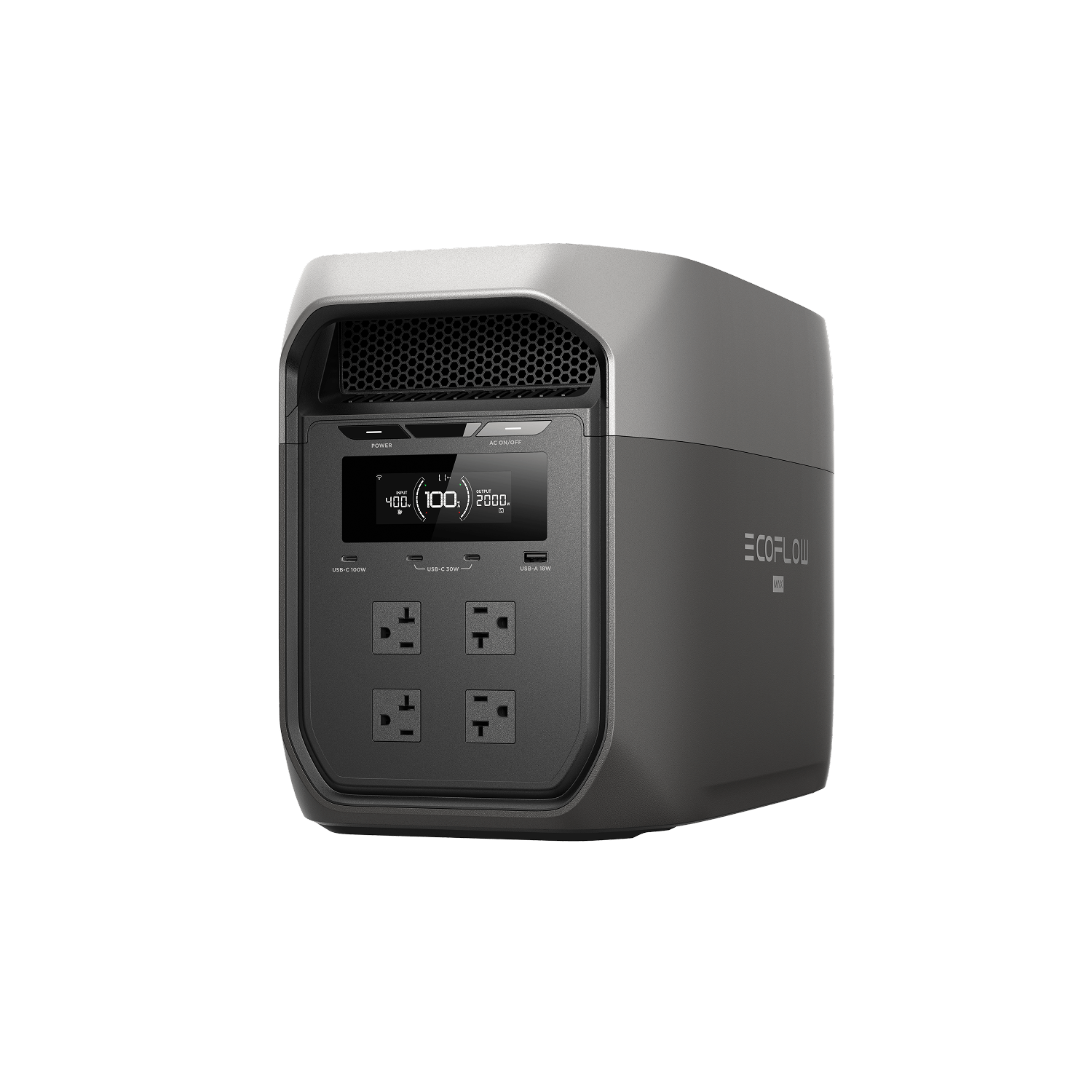
- EcoFlow DELTA 3 Max, $879. 2,048Wh and 2,400W of output, with a 4,800W surge. It recharges from 0 to 80% in about 68 minutes from the wall. It can keep a fridge, router and CPAP going for about a day.
Wildfire country: Ruidoso, the Jemez, Pecos and the East Mountains
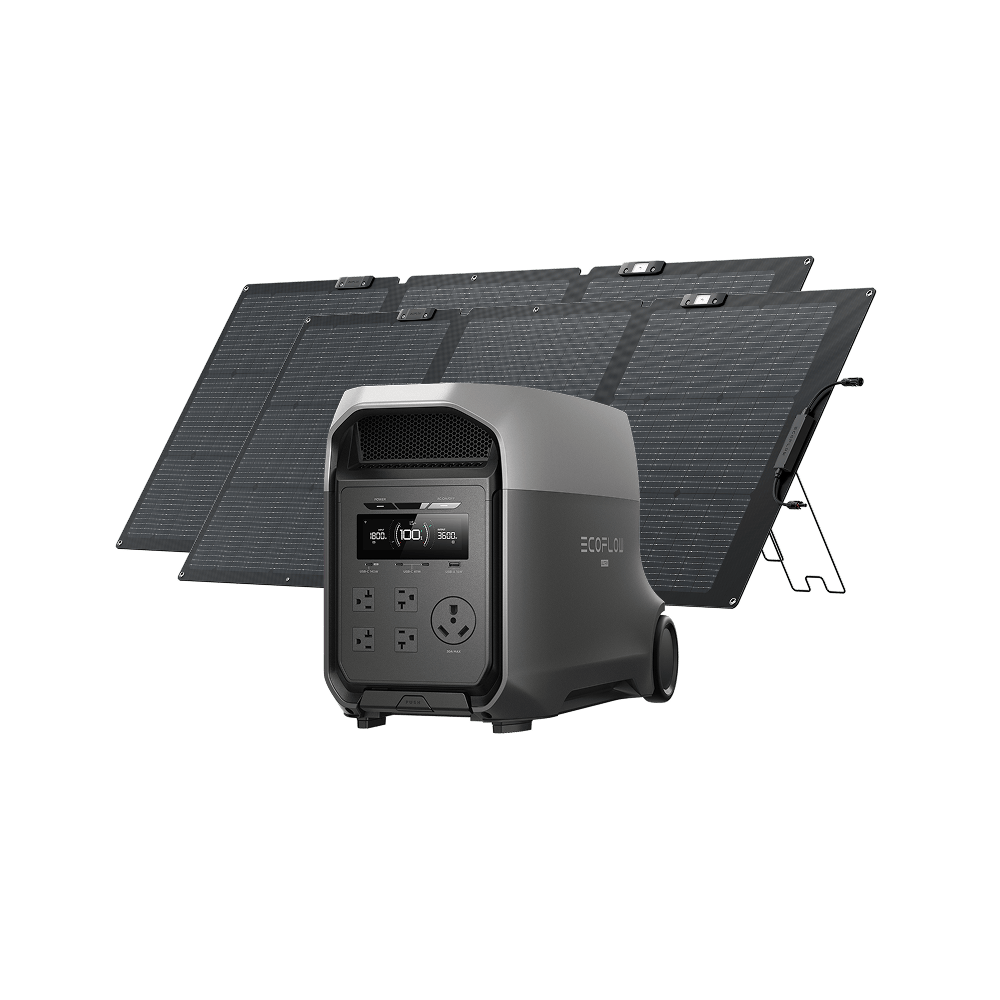
- EcoFlow DELTA 3 Ultra Solar Generator with two 160W panels, $1,799. 3,072Wh, 3,600W of output and a 7,200W surge, plus panels to recharge each day. This is our top pick for multi-day shutoffs. If you need to evacuate, it loads into a vehicle and keeps powering your devices on the road.
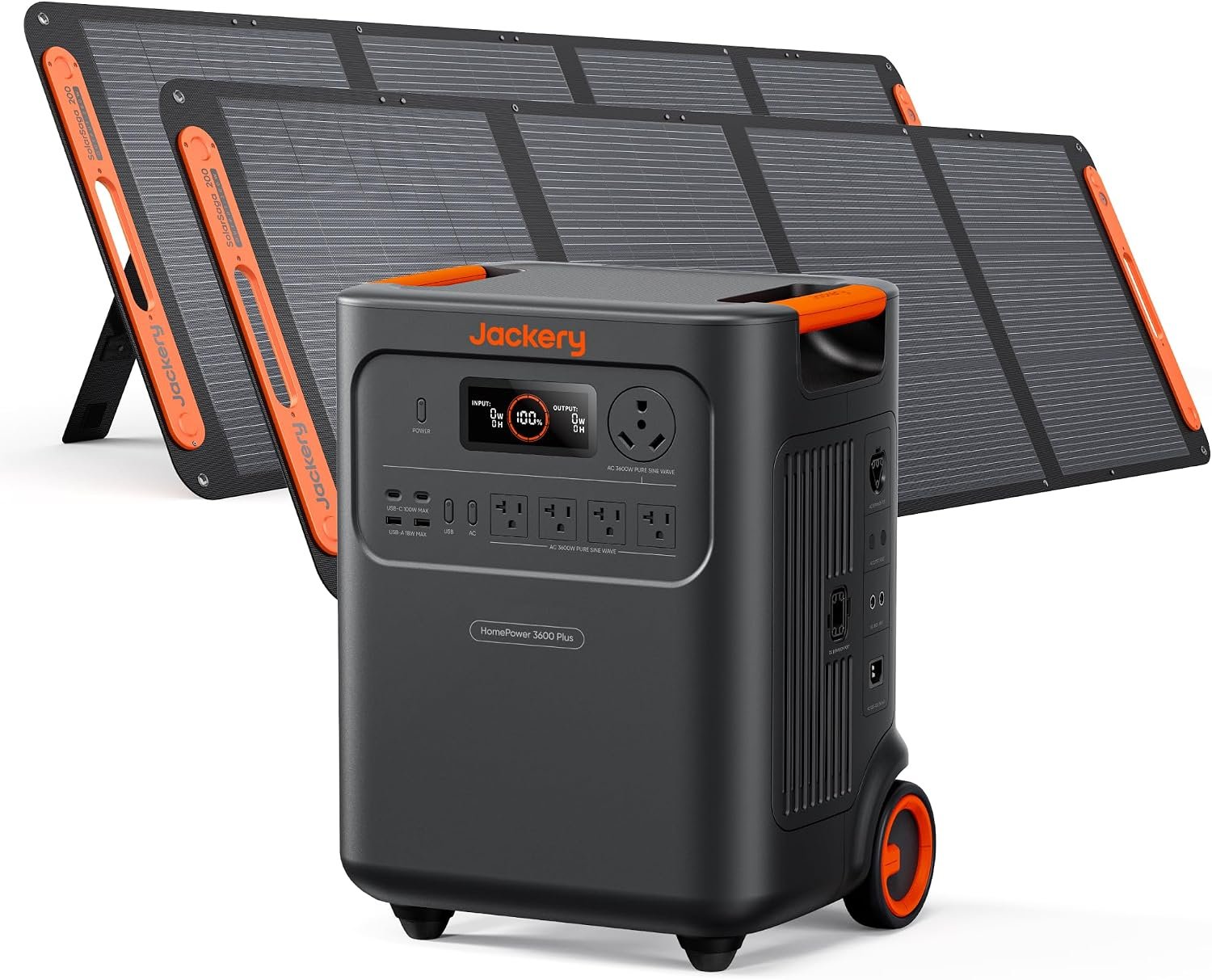
- Jackery HomePower 3600 Plus with two 200W solar panels, $2,549. 3,584Wh and 3,600W on wheels, expandable to 21kWh. It covers a full day of essentials, and 400W of panels help it refill.
Rural homes with well pumps, ranches and off-grid casitas
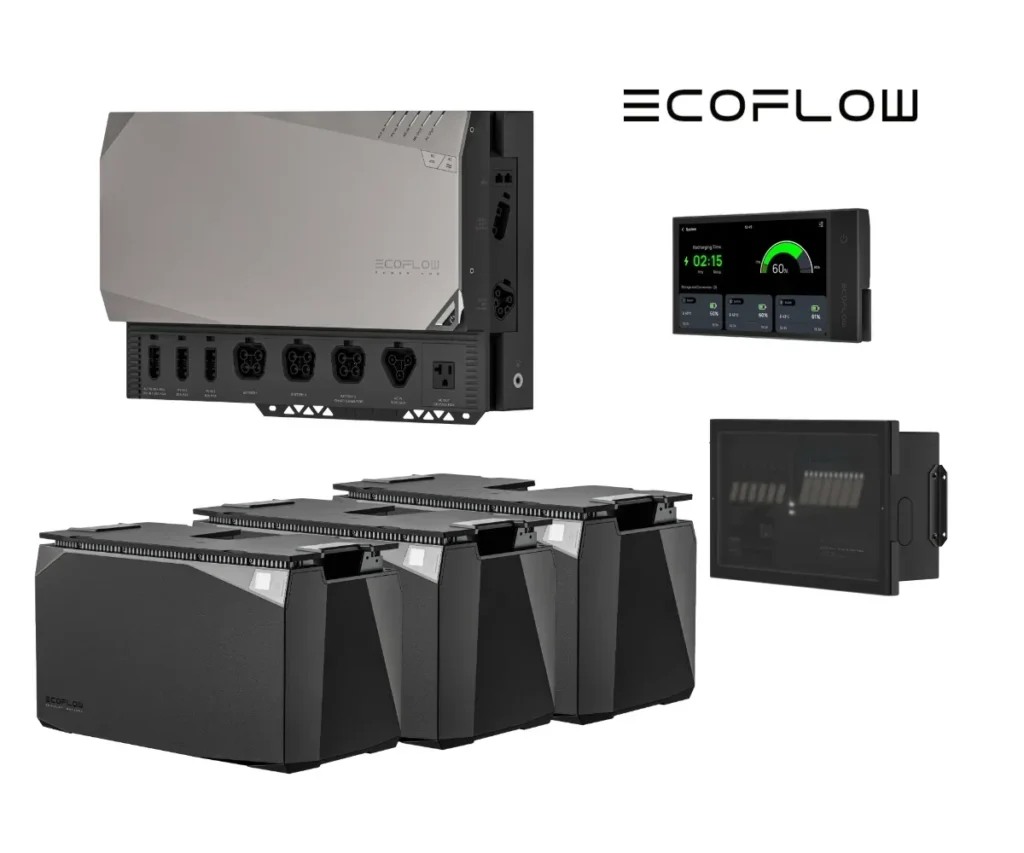
- EcoFlow DELTA Pro 3 with Extra Battery, $6,298. About 8kWh, 4,000W of output and 120/240V support, so it can handle loads such as a 1 HP well pump. Add the Smart Home Panel 2 ($1,599) to back up 12 circuits.
- EcoFlow 400W Rigid Solar Panel 2-Pack, $1,599. 800W of fixed panels with mounting feet. This setup turns a large station into a true off-grid solar system for a cabin or casita.
- EcoFlow Delta Pro Ultra X, $8,299. 12,288Wh for larger homes and long outages. Read our full Delta Pro Ultra X guide for details.
Overlanding, RVs and camping: White Sands, the Gila and beyond
- EcoFlow DELTA 3 with 800W Alternator Charger, $999. Recharge while you drive between camps. It is ideal for long trips on the High Road to Taos, through the Gila or out to Chaco.
- EcoFlow TRAIL 300 DC, $199. 288Wh of light DC power for phones, cameras, lights and a 12V fridge at a campsite.
Still not sure? Compare every power station in our shop, or ask our team for a sizing check.
Tips for high desert heat, cold and dust
- Keep it out of direct sun. Summer heat on a patio or in a parked car can push a battery past its safe range. Run the station in the shade and put only the panels in the sun.
- Charge indoors in winter. At high elevation, nights drop well below freezing. Most LFP batteries should not be charged below 32°F unless the maker approves it, so check your manual.
- Fight the dust. Keep vents clear and use a protective bag such as the DELTA 3 Series Waterproof Bag for storage and travel.
- Watch fire alerts. When red flag warnings appear in the forecast, charge to 100% and plug in your panels.
- Connect safely. Never back-feed your house through a wall outlet. A licensed New Mexico electrician can install a proper transfer switch or panel.
Order before the next shutoff
The costliest mistake is waiting until a red flag warning or a winter storm is already in the forecast. Most orders leave within 1 to 3 business days, though sales and busy periods can take longer. Lithium battery products ship by ground, so they will not arrive overnight.
All orders ship free, and delivery typically takes 1 to 14 working days depending on where you are in New Mexico. See our shipping details and refund policy before you order.
Ready to stay powered? Shop portable power stations and solar generators today, or message us on WhatsApp at 505-528-6140 with your device list. We will match you with the smallest system that does the job.
Frequently asked questions
What is the best portable power station for New Mexico?
For most homes, a 2kWh to 3kWh station with solar panels is the sweet spot. The EcoFlow DELTA 3 Max suits city homes, and the DELTA 3 Ultra Solar Generator suits multi-day wildfire shutoffs. Rural homes with well pumps usually need a 240V system such as the DELTA Pro 3.
Will a power station help during a PNM Public Safety Power Shutoff?
Yes. A shutoff can last from hours to days, so pair a power station with solar panels. That way you can recharge every day and keep your fridge, internet and medical devices running.
Can a portable power station run a swamp cooler?
Yes, for a while. A 400W cooler runs about four hours on a 2,048Wh station. Run it on low, use it during the hottest hours only and add solar to extend your runtime.
Can a portable power station run my well pump?
Often, yes, if it has enough surge power and the right voltage. Many deep well pumps need 240V and a large startup surge. Send us the pump’s label and we will confirm a match.
Do solar generators work well in New Mexico winters?
Yes. Winter days are shorter, but New Mexico skies are usually clear, so panels still produce useful energy. Keep the battery itself indoors or above freezing when you charge it.
Do you deliver to Albuquerque, Santa Fe, Las Cruces and rural New Mexico?
Yes. We ship across New Mexico, including rural addresses. All orders ship free, and most deliveries arrive within 1 to 14 working days.