A portable power station for power outages keeps your fridge, Wi-Fi, lights and medical devices running without fumes or engine noise. The best time to buy one is before the storm, because this winter’s forecast leans stormier across the South.
In this guide, you will learn how to size a system in three steps. You will also see which of our power stations suits your home, along with the mistakes that cost people the most. Short on time? Send us your device list on WhatsApp and we will recommend the right size.
Why a portable power station for power outages matters this winter
Outages are lasting longer. According to the U.S. Energy Information Administration, customers averaged 11 hours of interruptions in 2024. That is nearly twice the average of the decade before. Major events caused 80% of those hours, and South Carolina customers averaged nearly 53 hours.
Meanwhile, the forecast gives people another reason to prepare. NOAA’s 2026-27 Winter Outlook says a very strong El Niño tilts the odds toward stormier weather across the South. It also favors a wetter winter from California to Florida and along the Eastern Seaboard.
Of course, a forecast is not a promise. Even so, a storm does not need to be historic to spoil your food or cut off your home office.
Battery power or a gas generator?
A gas generator can run for as long as you have fuel. However, it must stay outside. The U.S. Consumer Product Safety Commission estimates that about 85 people die each year from carbon monoxide linked to portable generators. Its advice is to run them at least 20 feet from the house.
By contrast, a battery power station produces no exhaust, so you can use it indoors, right beside the fridge or the bed. It also starts instantly and runs quietly. As a result, it suits apartments, bedrooms and home offices.
The trade-off is finite energy. Once the battery is empty, you need the grid, a car or solar panels to refill it. That is why correct sizing matters so much.
How to size a portable power station for power outages
You only need three steps. For a deeper walkthrough, read our guide on how to size a portable power station.
Step 1: List what must stay on
Be strict here. Start with the things you truly need, then check the label on each device. These typical figures will help you begin:
| Device | Typical power | Energy for one day |
|---|---|---|
| Refrigerator | About 60W average | About 1,500Wh |
| Modem and router | 20W | 480Wh (24 hours) |
| Laptop | 60W | 360Wh (6 hours) |
| LED lights | 30W | 180Wh (6 hours) |
| Phones and small devices | Varies | 50Wh |
| Daily total | About 2,570Wh |
Step 2: Add a 20% buffer
Next, multiply the daily total by 1.2. Power stations lose some energy converting battery power to AC. Our example comes to about 3,080Wh, or roughly 3kWh for each day.
Step 3: Check the output
Capacity tells you how long a station runs, while output tells you what it can start. Fridges, pumps and compressors need a surge of extra power at startup. So add up everything you plan to run at once, then compare it with the rated output.
Watch out for heat. A 1,500W space heater empties a 1,024Wh station in about 35 minutes. Heat one small room for short periods, or use a heated blanket instead.
Protect your food in the first four hours
Food is often the first real cost of an outage. The FDA says an unopened refrigerator keeps food cold for about four hours. After that, perishable food that has been above 40°F for two hours or more should be thrown away.
In other words, a portable power station for power outages can pay for itself by saving one full fridge. Plug the fridge in early, keep the door closed and keep a thermometer inside.
Which power station fits your home?
Here is how we match a portable power station for power outages to each type of home. Runtimes below are estimates based on the example above, so your own numbers will differ. Prices were correct when we published this guide.
Apartments and CPAP users: 288Wh to 1,024Wh
- BLUETTI Elite 30 V2, $289. This 9.4 lb unit delivers 288Wh and 600W, with a 10ms UPS switch. Expect about five hours from a 50W CPAP, so it suits short outages and small devices.
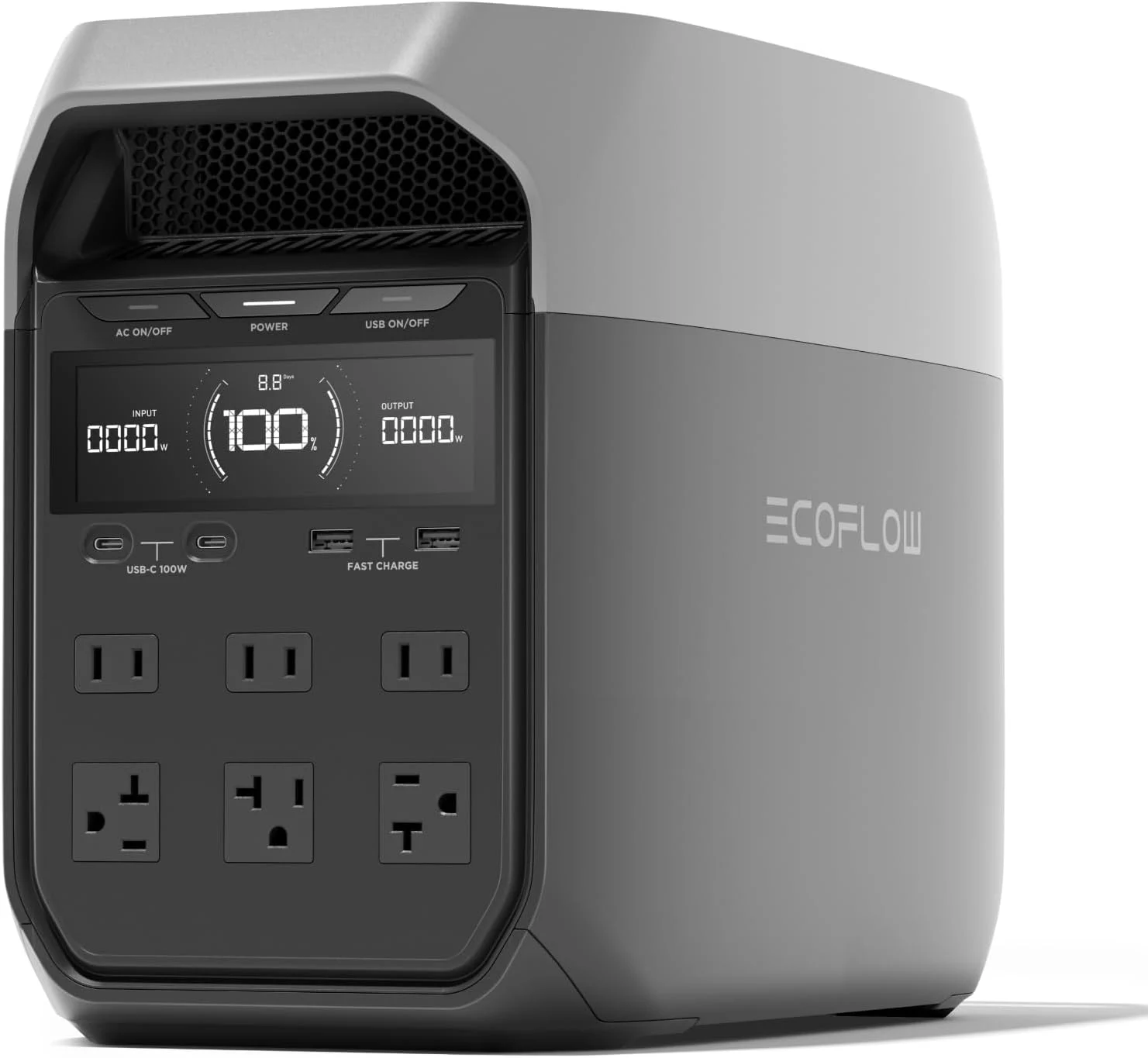
- EcoFlow DELTA 3, $579. You get 1,024Wh, 1,800W and LFP battery cells. It should run a fridge and router for around 10 hours, and it expands to 5kWh later.
Family homes: about 3.6kWh
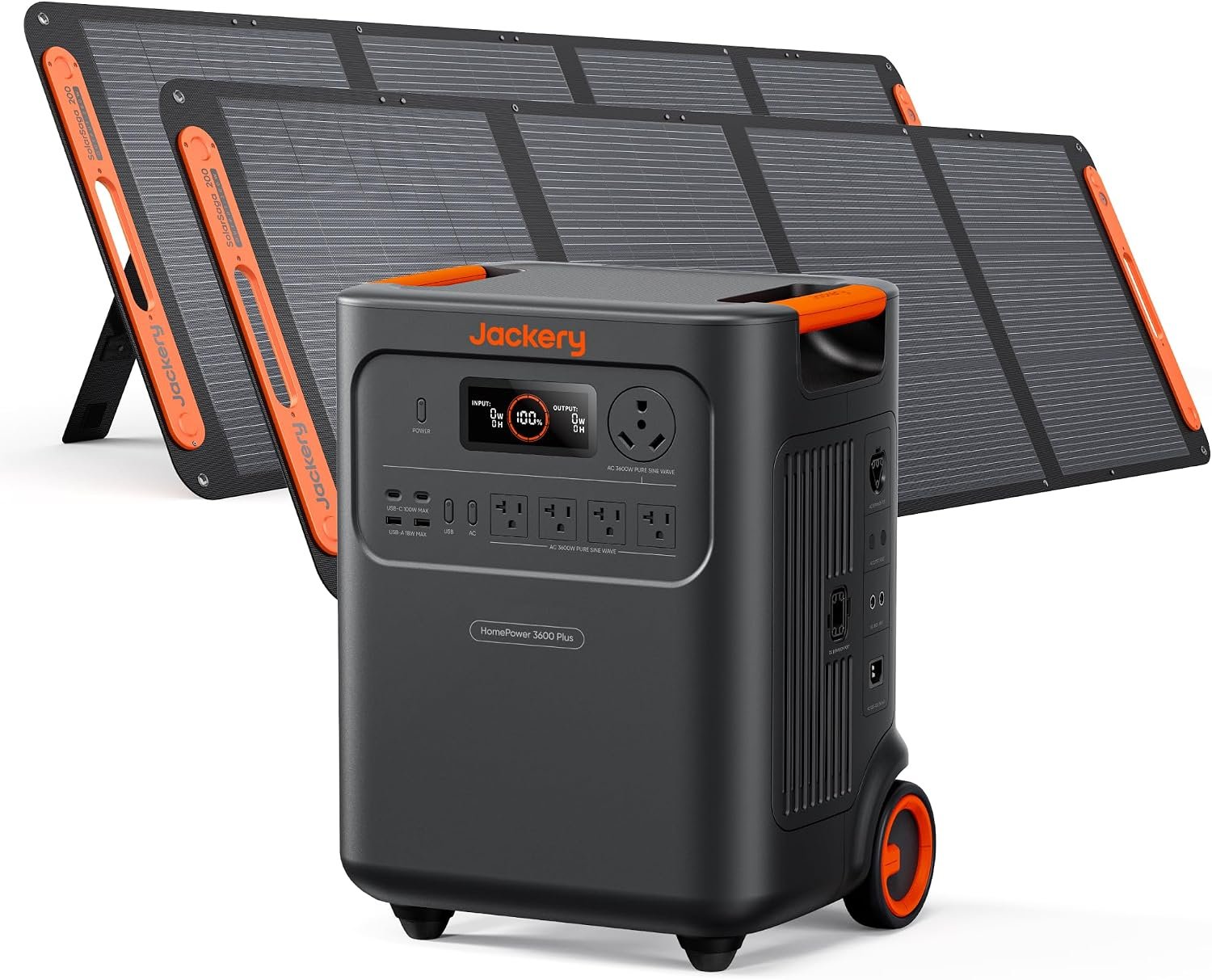
- Jackery HomePower 3600 Plus with two 200W solar panels, $2,549. This 3,584Wh system offers 3,600W of output on wheels. It covers our daily list for more than a day, and it expands to 21kWh.
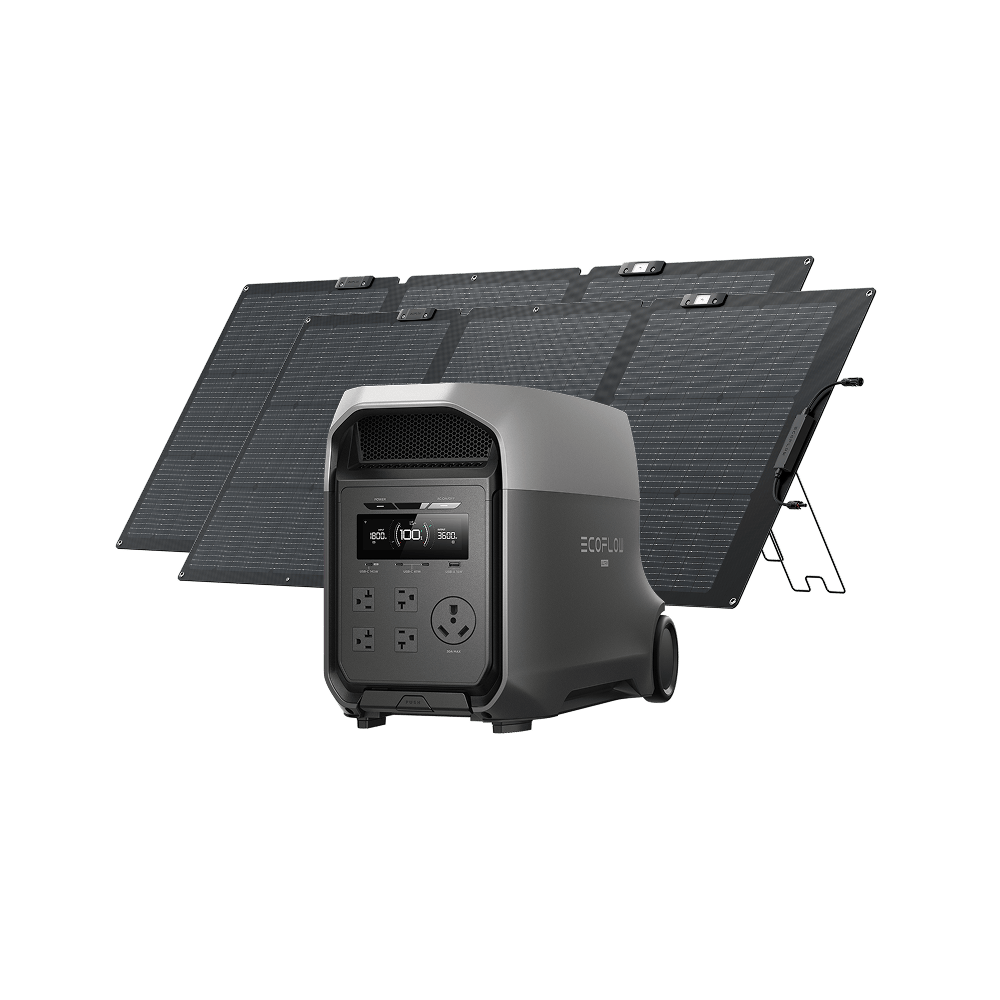
- EcoFlow DELTA Pro with a 400W solar panel, $2,399. This one gives you 3,600Wh and 15 outlets and ports. At 99 pounds it is heavy, but one panel can refill it in about 11 hours of sun.
Whole-home backup: 8kWh and up
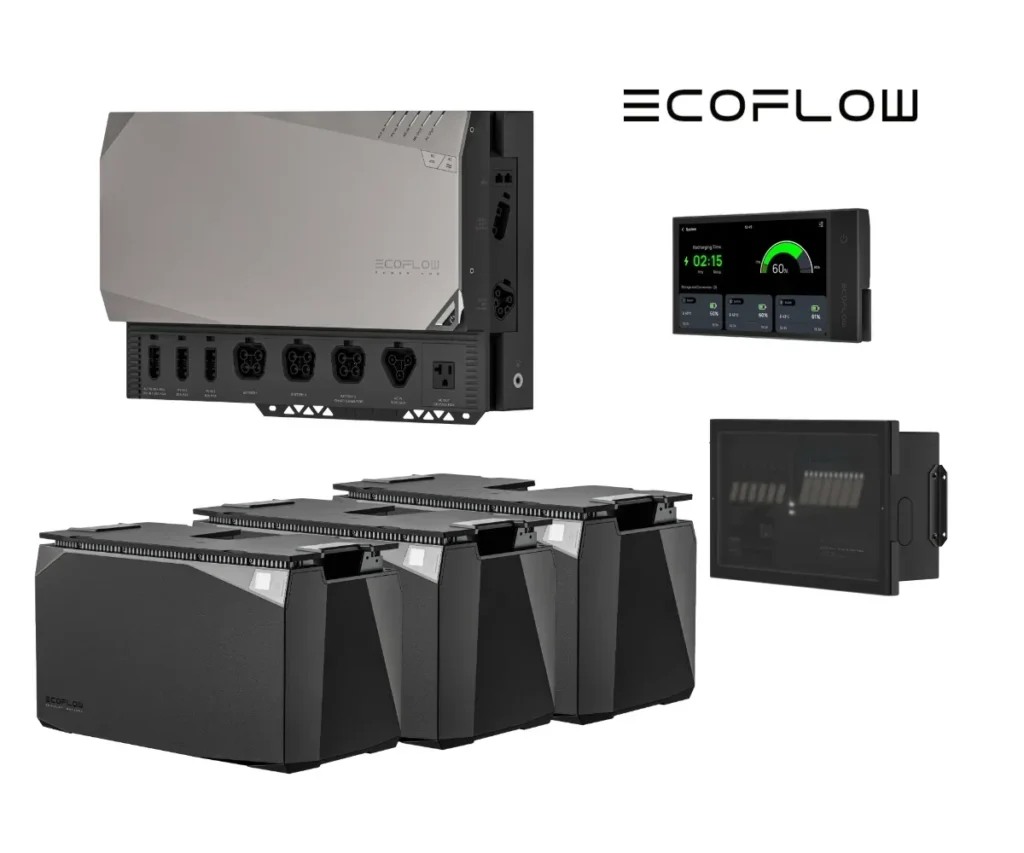
- EcoFlow DELTA Pro 3 with Extra Battery, $6,298. You get about 8kWh, 4,000W of output and 120/240V support for loads such as a 1 HP water pump. Add the Smart Home Panel 2 ($1,599) to back up 12 circuits.
- EcoFlow Delta Pro Ultra X, $8,299. This 12,288Wh system is built for large homes and long outages. Read our full Delta Pro Ultra X guide for the details.
Still not sure? Compare every power station in our shop, or ask our team for a sizing check.
What to look for in a portable power station for power outages
- LFP battery cells. Several of our models use LiFePO4 cells, which are known for long cycle life. For example, the DELTA 3 is rated for 4,000 cycles to 80%.
- Fast UPS switching. A 10ms switch helps keep a router, laptop or CPAP running when the grid drops.
- Solar input. Solar gives you a way to recharge when the outage runs for days. Remember that winter sun is weaker, though.
- Expansion. Buy for today and add batteries later if your budget is tight.
- Safe home connection. Never plug a station into a wall outlet to feed your house. Instead, ask a licensed electrician to install a proper transfer switch or panel.
Winter tips for your power station
First, keep it charged. Top it up once every few months and again when a storm appears in the forecast. Second, store it indoors. Most LFP batteries should not be charged below 32°F unless the maker approves it, so check your manual first.
Finally, run a test before you need it. Plug in your fridge and router for an hour, then watch the app or display. You will quickly learn how long your setup can really last.
Order before the forecast turns
Waiting for a storm warning is the costliest mistake when buying a portable power station for power outages. Most orders leave within 1 to 3 business days, although sales and busy periods can take longer. Lithium battery products usually ship by ground, so they may not arrive overnight.
All orders ship free, and delivery typically takes 1 to 14 working days depending on your location. See our shipping details and refund policy before you order.
Ready to stay powered? Shop portable power stations today, or message us on WhatsApp with your device list. We will match you with the smallest system that does the job.
Frequently asked questions
What size portable power station for power outages do I need?
Most homes need about 1kWh for a fridge and router over several hours. Around 3kWh covers a full day of essentials, and 8kWh or more suits longer outages.
Can I use a power station indoors?
Yes. A battery power station has no exhaust, so you can use it indoors. Still, follow the maker’s manual and keep it away from water.
Will a power station run my CPAP overnight?
Usually, yes, if the battery is large enough. A 50W CPAP needs about 480Wh for eight hours with our buffer. That makes a 1,024Wh station a safer choice than a 288Wh unit. For any critical medical device, confirm the power draw with your provider and keep a backup plan.
Can a portable power station run a space heater?
It can, but not for long. Most space heaters draw around 1,500W, so even a 3.6kWh system lasts only about two hours. Save your battery for the fridge, lights and communication.
Is a solar panel worth adding?
Yes, especially if you live where outages can last for days. A panel will not refill a station as fast as the wall. Even so, it lets you recharge without the grid.